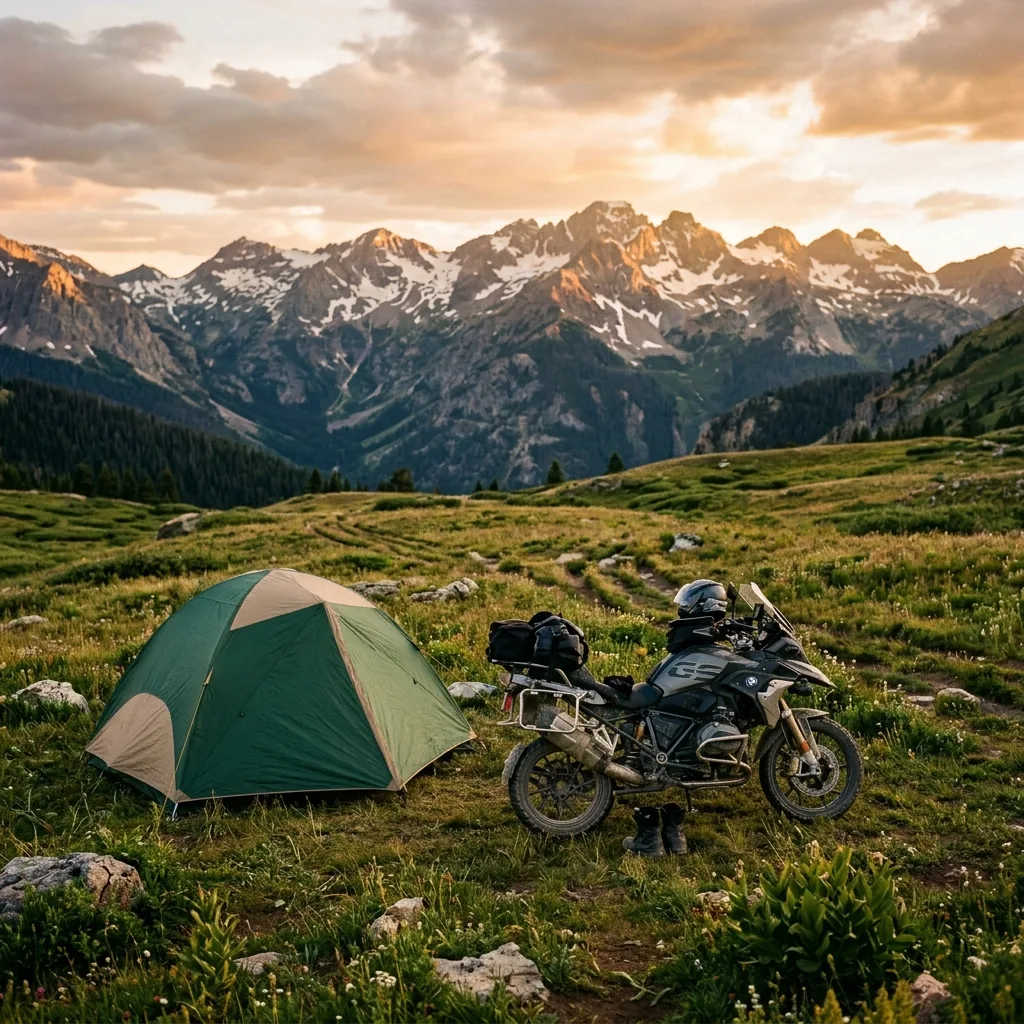
It’s just after eight in the evening above the tree line in the French Alps. The light is going gold, then pink, and your headlight catches a flat green clearing off the road — pine on three sides, nobody for miles. Every instinct says pitch here. Your panniers hold exactly the kit to do it. And you have no idea whether setting up that tent costs you nothing or fifteen hundred euros.
That gap — between having the gear and having permission — is the whole problem with wild camping a motorcycle in Europe. The continent runs the full spectrum: countries where pitching a tent on open land is a codified legal right, countries where it’s a fineable offence enforced by rangers on quad bikes, and a wide grey middle where one specific loophole keeps you legal if you know how to use it.
This guide is the map. Country by country: where you can camp, what it costs when you can’t, the bivouac trick that unlocks the grey zone, and the apps and pannier-sized kit that make the whole thing work. Start with the table.
Heads up: Wild camping laws change frequently, vary by region within countries, and enforcement is often local. This guide reflects the state of regulations as of mid-2026 based on official sources, recent reporting, and rider experience. Always check current local rules before you pitch a tent — especially in national parks, coastal zones, and Greece (where 2025 brought major legal changes). This is a practical riding guide, not legal advice.
Quick Answer: Wild Camping Legality by Country
| Country | Wild Camping Legal? | Notes |
|---|---|---|
| 🟢 Scotland | YES (Land Reform Act 2003) | 2-3 nights max, leave no trace |
| 🟢 Norway | YES (Allemannsretten) | 150m from buildings, 2 nights |
| 🟢 Sweden | YES (Allemansrätten) | Same as Norway, motor vehicles excluded |
| 🟢 Finland | YES (Jokamiehenoikeus) | Same Nordic principle |
| 🟢 Estonia | YES | One of Europe’s most permissive |
| 🟢 Turkey | YES | Tolerated nationwide except military/protected zones |
| 🟡 France | BIVOUAC ONLY | 7pm-9am, no stand-up tents, regional parks have rules |
| 🟡 Spain | GREY ZONE | Parking vs camping distinction, €30-3,000 fines |
| 🟡 Germany | MOSTLY ILLEGAL | But “Trekkingplätze” offer a legal alternative |
| 🟡 Slovenia | TECHNICALLY ILLEGAL | Tolerated outside popular spots |
| 🟡 Portugal | RESTRICTED since 2021 | Algarve enforced strictly |
| 🔴 Italy | ILLEGAL | Variable enforcement, fines |
| 🔴 Austria | ILLEGAL | Strict, especially in the Alps |
| 🔴 Switzerland | ILLEGAL | Fines can exceed €10,000 |
| 🔴 Greece | ILLEGAL (Law 5170/2025 + 5209/2025) | €300-3,000 fines, prison up to 3 months |
| 🔴 Netherlands | ILLEGAL | Use designated campsites |
Below: what each colour actually means in practice when a ranger or Jandarma rolls up to your tent. If you’re stitching several of these together on one trip, our Europe motorcycle border crossing documentation guide covers what gets you waved through versus pulled aside at the lines between them.
The Critical Distinction: Bivouac vs Wild Camping
Before the country list makes sense, you need one piece of vocabulary that most riders never learn. The legal difference between “wild camping” and “bivouac” is the single most useful thing in this article.
Wild camping is what most people picture: you find a spot, set up a full camp, and stay. Multiple nights in one place, the chairs out, the awning up, a kitchen spread on the ground, the tent there in daylight for anyone to see. It’s a presence.
Bivouac is a stop, not a camp. One night only. You pitch late — after the day’s walkers and rangers have gone home — and you’re packed and gone by early morning. Minimal footprint, often just a bivy sack or a small tent that disappears behind a single bush. You were never really there.
That distinction is the legal loophole across France, Spain, Italy, and parts of Germany. The written law in those countries prohibits camping, but bivouac sits in a tolerated space the law mostly leaves alone. France makes it nearly explicit: a bivouac is “implicitly authorized between 7pm and 9am.” The catch is that context matters — a bivouac beside a marked hiking trail high in the hills is treated very differently from a tent thrown up next to a roadside lay-by, which reads as exactly the kind of camping the rule targets.
The practical rule that follows: when you’re unsure of a country’s law, don’t wild camp. Bivouac. Arrive late, stay low, leave early, and you sidestep most of the enforcement that catches full campers.
The Green Zone: Where Wild Camping a Motorcycle in Europe Is a Legal Right
Six countries give you genuine legal cover. This is where you ride if you want to camp without constantly managing risk.
Scotland
Scotland is the only part of the UK where wild camping is an actual right, granted by the Land Reform (Scotland) Act 2003 and spelled out in the Scottish Outdoor Access Code. The Code defines acceptable wild camping as “lightweight, done in small numbers and only for two or three nights in any one place.”
The rules are simple. Two to three nights maximum at one spot, then move on. Leave no trace. Keep away from buildings and roads. The one trap is Loch Lomond and the Trossachs National Park, which requires a paid permit in certain zones from March to September — a deliberate response to overcrowding, and rangers do check. Everywhere else in the Highlands, you’re free. Turn off the A82, ride a track until the road noise is gone, and pitch. Riders building a Scottish trip around this should pair these rights with the North Coast 500 motorcycle guide — the NC500 loops straight through the most permissive wild-camp territory in the UK.
Norway, Sweden and Finland: The Nordic Right to Roam
The three Nordic countries share one of the oldest camping rights on earth — Allemannsretten in Norway, Allemansrätten in Sweden, Jokamiehenoikeus in Finland. Norway codified it in 1957, but it’s far older than that as custom. It gives anyone the right to walk, camp, and pass over uncultivated land.
The shared rules every rider should memorise: pitch at least 150 metres from the nearest inhabited building — that number is the magic figure across all three countries. Stay a maximum of two nights, then move on, unless you’re deep in genuinely remote highlands. And respect the open-fire ban that runs April 15 to September 15, the wildfire season, when lighting a fire on or near forest land is illegal.
Here’s the part that catches motorcyclists out, and it’s important: the right to roam does not extend to motor vehicles off-road. You can ride to a parking spot or a pull-off, walk in with your kit, and pitch a tent. You cannot ride your bike into a meadow and camp on it. The legal access is on foot. Plan your spots around somewhere you can leave the bike legally and carry the rest in. Turn off the E6 anywhere in Lofoten, leave the bike at a pull-off, hike 200 metres from the road, and you’re doing it right.
Estonia and Eastern Europe
Estonia carries a strong everyman’s-right tradition close to the Nordic model, which makes it one of the most permissive countries on the continent for a tent. Forest, bog edge, lakeshore — much of it is open to you. Poland, Latvia, and Lithuania are looser still in practice: wild camping is generally tolerated in forests, though the formal rules vary and state forest agencies sometimes designate specific free sites. Check locally, stay discreet, and the Baltic forests are yours.
Turkey: The Riding Paradise
Turkey deserves its own paragraph, because for a motorcycle camper it’s one of the best countries anywhere. No specific law prohibits wild camping outside protected zones. The reality on the ground is broad tolerance — the Jandarma may roll up at two in the morning with flashing lights, but the script is almost always the same: where are you from, where are you going, have a good trip.
What you avoid is clearly defined. Military zones, which are signed and which you take seriously. Nature reserves and national-park interiors. And archaeological sites — pitching within sight of ancient ruins can trigger a treasure-hunting suspicion that is a real charge in Turkey. Stay clear of those and the Black Sea region, the Cappadocia backcountry outside the protected core, and the Kaçkar Mountains are all reliably rideable and campable. The summer wildfire risk on the southern coasts is real, so no open fires anywhere in the south between roughly June and October.
The Grey Zone: Where Discretion Is Everything
Four countries where full wild camping is prohibited but a careful rider stays legal — or close enough — by understanding exactly what’s tolerated.
France: The Bivouac Permission
French camping law lives in Article R111-32 of the Code de l’Urbanisme. The general position is that camping on unmanaged land is prohibited, but bivouac is tolerated — the unwritten standard being that 7pm-to-9am window, a small tent, and a single night.
Inside national parks, each park sets its own rules and they differ sharply. In the Mercantour, bivouac is allowed only more than an hour’s walk from a park entrance, between 7pm and 9am, in a tent you can’t stand up in. In the Cévennes, it’s bivouac only, within 50 metres of a marked trail, and no motor vehicles. In the Vanoise, all camping is banned except near the refuges. Get it wrong and fines run up to €1,500. The Park4Night app is the practical tool here — it maps legal aires and tolerated bivouac spots nationwide, which beats guessing.
Spain: The Parking vs Camping Trap
Spain prohibits wild camping under a 1976 ministerial order, reaffirmed in later ordinances, with fines from €30 to €3,000 — and in some regions calculated at around €30 per square metre per day, which adds up fast. The key legal hair-split is acampada versus pernocta: sleeping inside a self-contained vehicle counts as parking, but the moment you put out chairs or an awning it becomes camping.
For a motorcyclist that distinction is mostly moot — a tent is a tent, and there’s no “self-contained vehicle” argument to make. So the play in Spain is pure discretion: arrive late, pitch small, leave early. Enforcement is stricter near the coast (within 200 metres of the sea), in national parks, and in ZEPA bird sanctuaries. Inland, the picture relaxes a lot — Castile and Aragón are far easier than Andalusia or Catalonia.
Germany: Mostly Illegal, But Trekkingplätze Save You
Wild camping is prohibited Germany-wide, with fines from €10-50 for a minor offence up to €5,000 in nature reserves. But Germany also invented the cleanest legal alternative on the continent: the Trekkingplätze system. These are designated wild-camping spots — over 100 of them across the Pfälzerwald, Eifel, Sauerland, Schleswig-Holstein and Bavaria — that you book online for roughly €10-15 a night and that give you a wooden platform and a compost toilet, deep in the forest.
The Pfälzerwald has around 15 sites at about €15 a tent with a fire pit and toilet; the Eifel runs 18 sites near €10; the Sauerland adds nine more. Schleswig-Holstein’s “Wildes Schleswig-Holstein” program offers 20-plus sites, many of them free. All are reachable by riding to a trailhead and walking the last stretch in. Start at trekkingpark.de and wildes-sh.de. It’s not strictly wild, but it’s legal, cheap, and feels close enough.
Slovenia, Portugal and Croatia
Slovenia officially bans wild camping but tolerates it outside the honeypots — stay away from Triglav National Park, Lake Bled and Bohinj, all of which fine heavily. Portugal tightened its rules in 2021 and the Algarve coast now enforces them, though the inland Alentejo stays relaxed; our Algarve coastal camping guide digs into where the line actually falls down there. Croatia is officially illegal with real coastal fines, but inland regions like the Lika are often left alone.
The Red Zone: Where You Will Get Fined
In these countries the calculus is simple: don’t wild camp, find a campsite or a mountain hut, and keep your money.
Italy
Italy’s wild-camping ban varies by region, but enforcement in tourist areas is consistent and the fines are real. Use the “sosta camper” areas instead — service stops set up for overnighting. In the Alps and Dolomites the legal and frankly better alternative is hut-to-hut: ride between rifugi, sleep in a bunk, eat a hot dinner, and skip the tent entirely.
Austria
Austria is strict, especially in the Alps, with baseline fines of €100-500 and far higher penalties in protected zones. The good news is the Almhütten — mountain huts on the hiking network that welcome motorcycle travellers. Ride the passes, book a hut, and you stay legal in a country that genuinely polices this.
Switzerland
Switzerland is the one to genuinely fear. Wild camping is illegal in most cantons, and fines in protected areas can exceed €10,000. A single high-altitude bivouac above the tree line may be tolerated, but it’s case-by-case and not something to bank on. Use the SAC (Swiss Alpine Club) huts. The downside math is brutal enough that the tent isn’t worth unpacking.
Greece
Greece changed completely in 2025, so ignore any older advice. Law 5170/2025, in January 2025, sharply increased restrictions and fines. Law 5209/2025, in July 2025, walked some of it back for vehicle parking but kept wild camping firmly illegal. Fines start at €300 and serious violations carry up to three months in prison. The 24-hour parking allowance applies to motorhomes, not to tents — a tent outside a licensed campsite is simply prohibited. The right move in Greece is the cheap licensed campsites at €8-15 a night; our seaside campgrounds for riders in Greece roundup points to the good ones.
Netherlands
The Netherlands is too densely populated for wild camping to be realistic, and it’s illegal outside the designated paalkamperen pole-camping spots in some nature areas. Use campsites — they’re everywhere and well run.
How to Actually Find Wild Camping Spots
Knowing the law is half the job. Finding the actual flat, hidden, legal patch of ground is the other half, and it comes down to apps, a manual routine, and the underrated art of just asking.
The apps do most of the heavy lifting. iOverlander is the community-driven, global, free database — the best source for genuinely off-grid spots and the place you’ll find motorcycle-specific notes like “track passable on a single, not a big GS.” Its 2025 split into a paid iOverlander 2 caused some grumbling, but the free version still works. Park4Night is strongest across Western Europe, with offline maps and satellite view for about €9.99 a year. Komoot is useful for finding the trailhead parking near legal bivouac zones, and plain Google Maps satellite view, paired with iOverlander, lets you read tree cover, distance from buildings, and road quality before you commit.
The manual method matters just as much. Aim to reach your camp area one to two hours before sunset — never at dusk, when you’re forced to take the first thing you see. Ride past your first option to scout a second, then circle back to whichever was better. Look for flat ground, tree cover, distance from houses, no livestock signs, and no fresh tyre tracks (which suggest a popular, ranger-watched spot). Avoid dry riverbeds, which flash-flood; tall lone trees, which draw lightning; and valley bottoms, where cold air pools and you wake up freezing. That whole timing-and-scouting routine is the core of staying out of trouble, and it ties straight into the wider solo motorcycle camping safety playbook.
Then there’s the permission method, which most riders forget exists. In rural Turkey, Spain, and France, the nearest farmhouse is your best legal cover — ask the farmer. A pointed finger at your tent and their field, or a simple “Bir gece kalabilir miyim?” in Turkey, works more often than you’d think. Maybe seven times out of ten you get a yes, and sometimes a glass of tea or a gift of goat cheese with it.
Gear That Actually Works for Motorcycle Wild Camping
Camping kit and motorcycle camping kit are not the same thing. Everything has to survive vibration, fit in panniers, and pitch fast enough to disappear before anyone notices you. A few pieces are worth getting right.
Shelter: Tent or Bivy?
For wild camping the priorities are weight, packed volume, and setup speed. You want something that pitches in under five minutes and vanishes behind a single bush — a sub-2kg freestanding tent for comfort, or a quick-pitch bivy when you’re travelling light and stealthy. Freestanding matters because rocky or hard ground won’t always take pegs. A good lightweight motorcycle tent is the foundation of the whole kit, and our best motorcycle camping tents roundup covers the current options in detail.
Check Motorcycle Tents on Amazon →

Sleep System
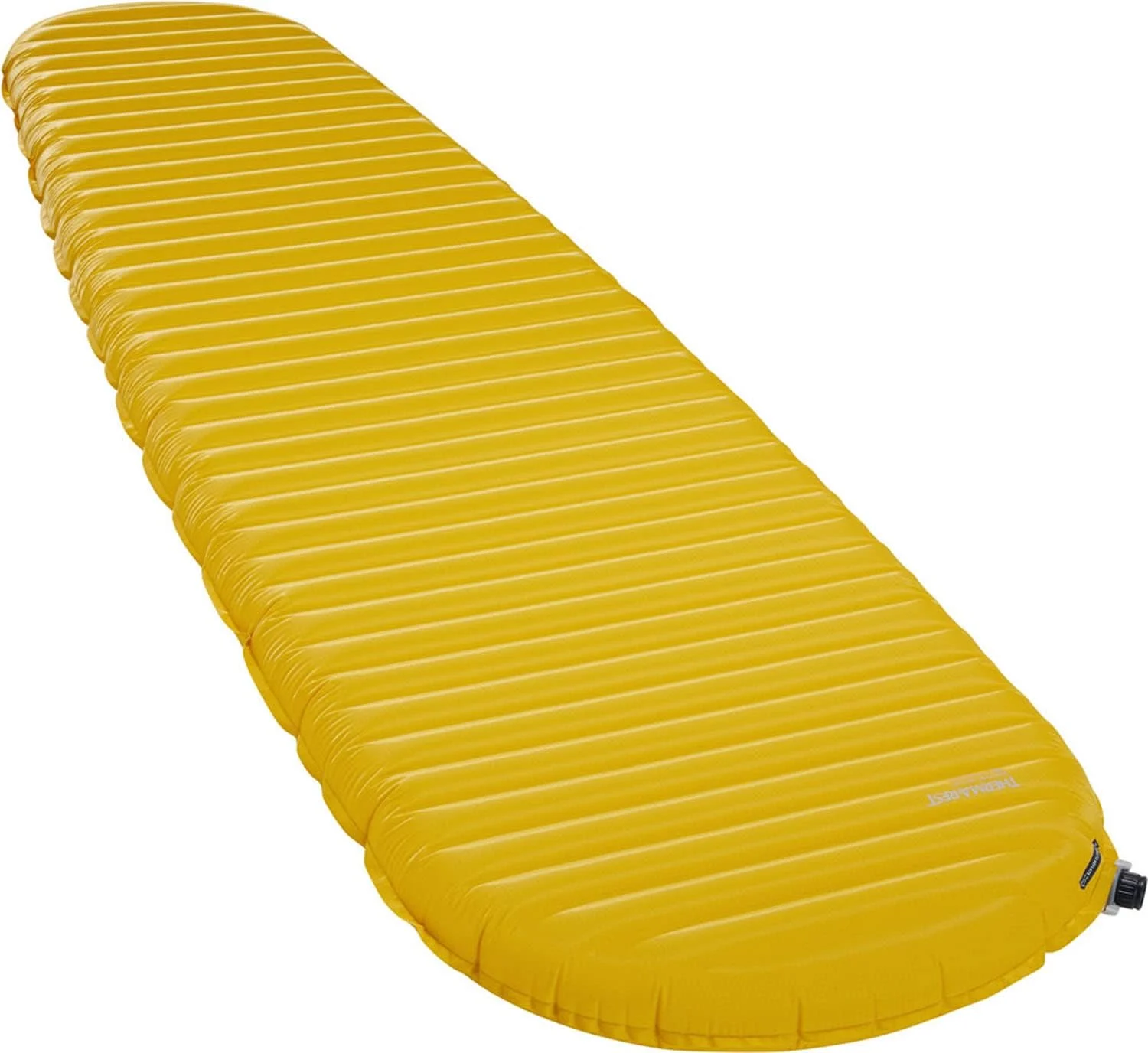
The most common cold-night mistake isn’t the bag — it’s the pad. A 0°C / 32°F rated sleeping bag covers most of Europe in the shoulder season, but if your insulated pad has a low R-value the ground steals your heat through it and you’ll shiver all night regardless of the bag. Aim for an insulated pad with an R-value of 3 or higher. The Therm-a-Rest NeoAir XLite is the benchmark inflatable here, packed down to the size of a water bottle.
Check Sleeping Pads on Amazon →
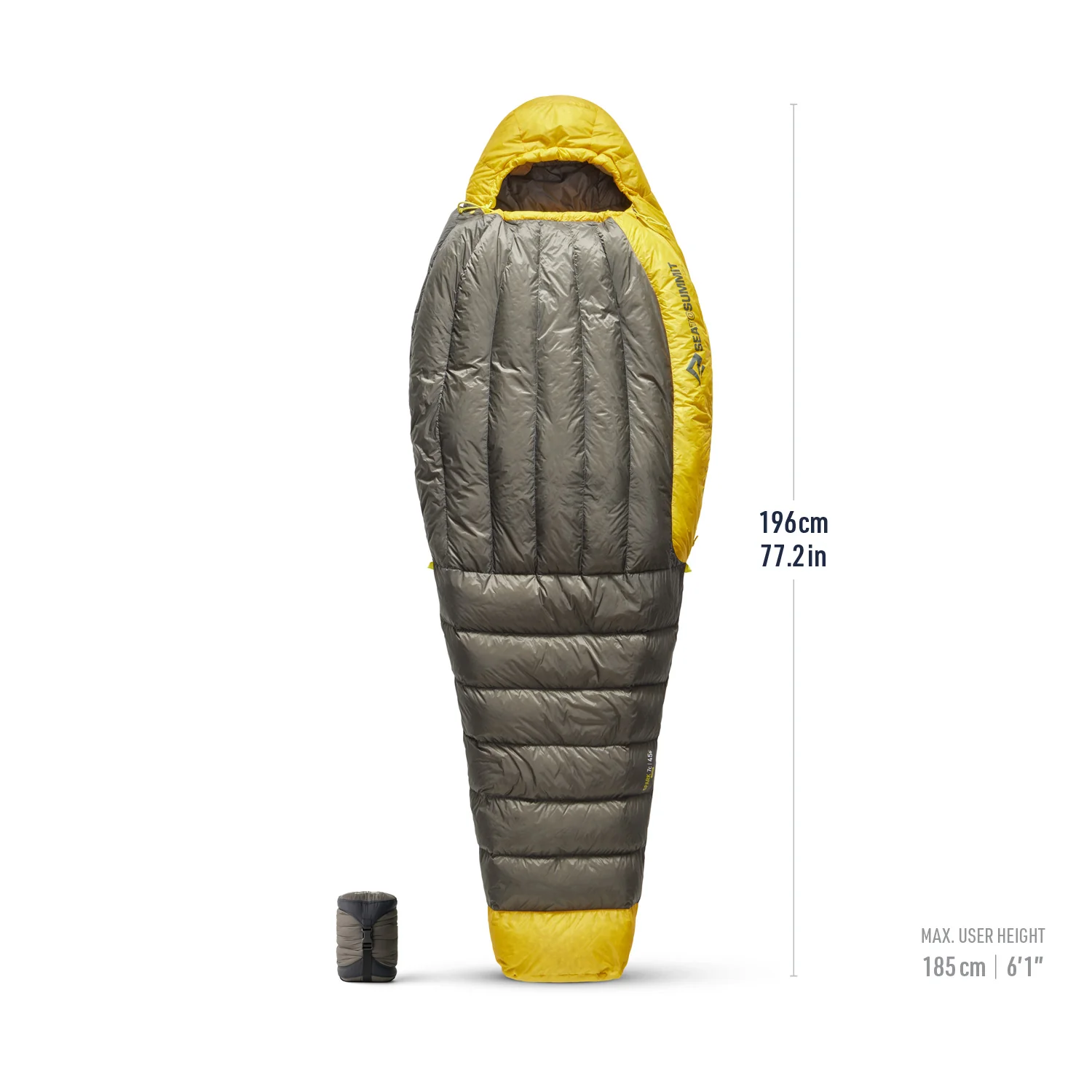
On the bag itself, a synthetic fill is the pragmatic choice for camping in damp conditions because it keeps insulating even when it gets wet, which down does not. A Sea to Summit synthetic bag rated for the coast you’re riding is a solid, packable benchmark.
Check Sleeping Bags on Amazon →
Stove and Water
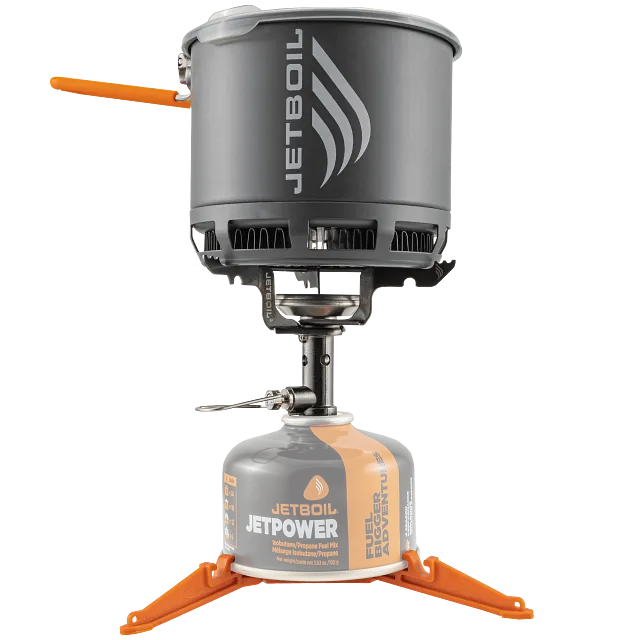
Skip the fire — you can’t light one legally across most of the continent in summer anyway — and carry a stove. A boil-only system like the Jetboil Stash weighs 7.1 ounces, boils water in a couple of minutes, and nests into its own cup, which is all most wild campers need. If you’re going seriously remote, a multi-fuel stove that can burn motorcycle gasoline in an emergency is a genuine safety factor, not a gimmick.
Check Jetboil Stash on Amazon →
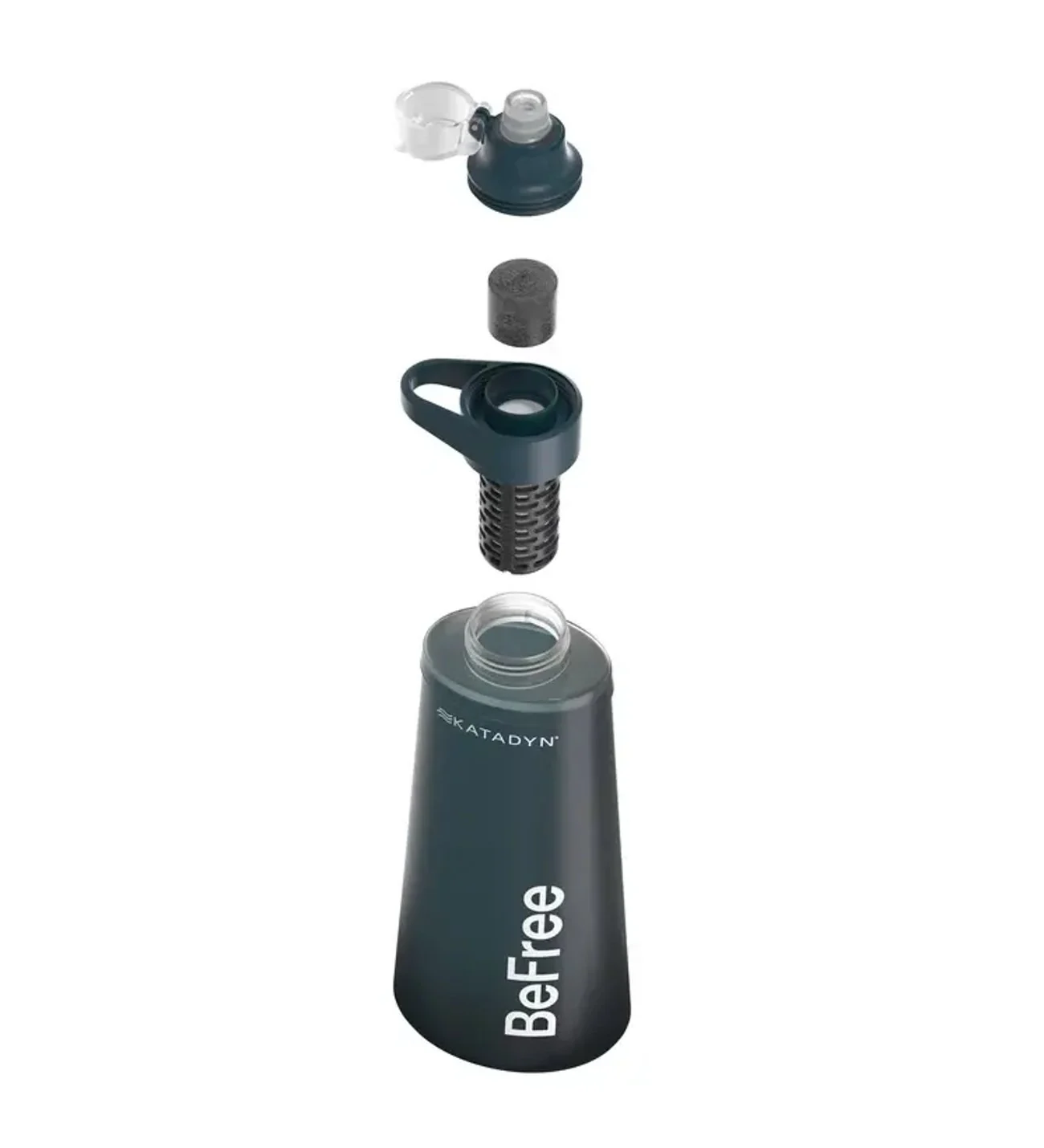
Water is the other half of the equation. A squeeze filter handles streams and springs in the mountains, with purification tablets as a lightweight backup for when the filter clogs or freezes. The Katadyn BeFree is the reliable standard — its 0.1-micron hollow-fibre membrane packs flat, weighs almost nothing, and cleans by a quick shake in the stream.
Check Katadyn BeFree on Amazon →
Safety: The One Non-Negotiable for Solo Wild Camping
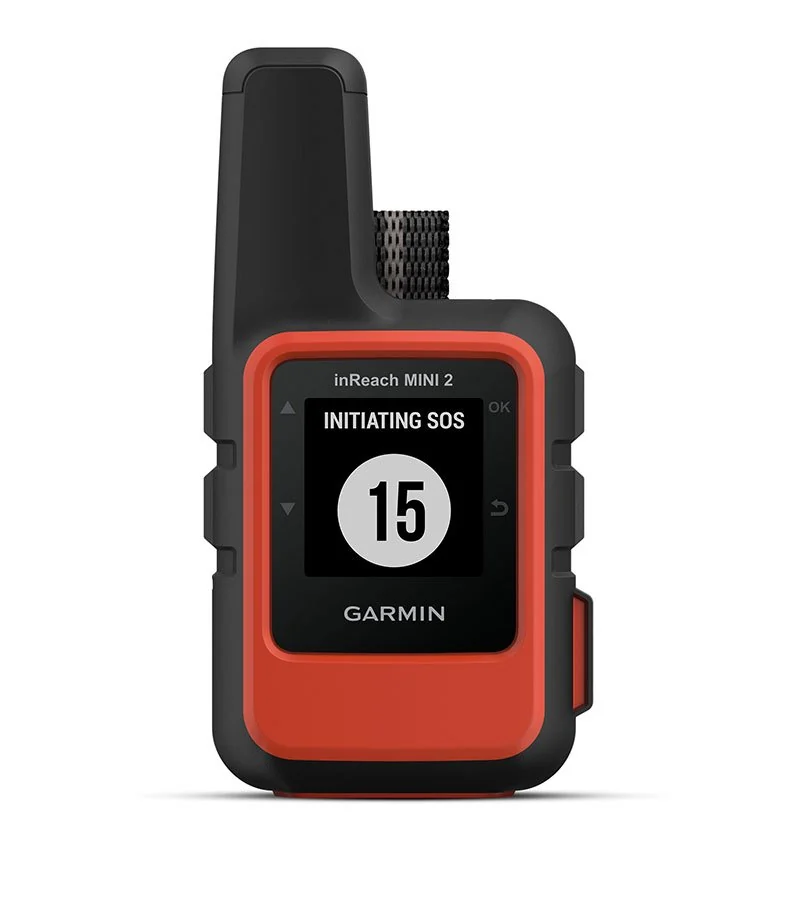
If you ride into genuinely remote country alone — the Carpathians, the Scottish Highlands, Eastern Anatolia — a satellite communicator is the difference between a bad night and a fatal one. The Garmin inReach Mini 2 gives you SOS and two-way text messaging from anywhere with a view of the sky, where there is zero cell signal. It needs a subscription (from around $15/month) that you can pause between trips.
Check Garmin inReach Mini 2 on Amazon →
All of this only works if it fits the bike. Before any trip, run a full kit pass against your two-week motorcycle camping packing list, check it against the motorcycle camping gear checklist, and make sure the total luggage volume actually lives in your adventure motorcycle panniers without turning the bike into a top-heavy mess.
How to Choose a Campsite: Safety and Leave No Trace
The seven Leave No Trace principles were written for hikers, but they map cleanly onto motorcycle wild camping:
- Plan ahead — know the country’s rules before you arrive (that’s what the table at the top is for).
- Camp on durable surfaces — rock, gravel, or dry grass, never on plants or moss that won’t recover.
- Dispose of waste properly — pack out everything you bring; for human waste, dig 15-20cm and stay 60 metres from any water.
- Leave what you find — no carving, no cutting firewood from living trees.
- Minimise fire impact — across southern Europe and in summer almost everywhere, the right call is simply no fire.
- Respect wildlife — keep food in the panniers, not in the tent, especially where bears range in northern Scandinavia and the Carpathians.
- Respect others — the simplest test there is: if you can see a house, you’re too close.
A few motorcycle-specific habits sit on top of those. Park the bike on its side stand on firm ground or a flat rock — soft earth means a morning topple and a wrestless night listening for it. Always lock the bike, and where you can, run a cable through the helmet and a fixed point. Keep the keys in the tent — not in the ignition, not in a jacket pocket left on the seat. Locking and securing the bike properly is its own discipline, and it overlaps with the kit covered in the overlanding tool kit guide. When you’re heading into the kind of remote terrain the Trans-Euro Trail crosses, those small habits are what keep a quiet camp quiet.
The Insurance Question
Wild camping by motorcycle means remote roads and variable terrain, and that’s exactly where insurance gets fussy. Many travel and motorcycle policies exclude or limit off-pavement riding, and some void cover entirely the moment your tyres leave a public road. Read the actual wording: what’s covered on-road may evaporate on the gravel track to your camp, and medical evacuation from a remote area is the single most expensive thing that can go wrong.
This matters most precisely when you’re furthest from help — 80 kilometres from the nearest hospital, alone, after a low-speed drop on a loose descent. Before you commit to a remote route, confirm what your policy actually covers for off-road riding and remote rescue. It’s a fifteen-minute phone call that can save a five-figure bill.
Ride the Green, Bivouac the Grey, Pay for the Red
The freedom is real — but the map matters more than the freedom. Wild camping a motorcycle across Europe is one of the great cheap luxuries of travel right up until a €3,000 Greek fine erases a year of saving for the trip.
So play it by the colours. Ride the green-zone countries — Scotland, the Nordics, Estonia, Turkey — for true, legal wild camping with nothing to hide. Bivouac in the grey zone, arriving late and leaving early, and let the loophole do its work. And in the red zone, just pay for a campsite or a mountain hut and sleep easy. The riders who get this wrong are almost always the ones who assumed one country’s rules applied to the next.
Pack the kit, check the table, ride respectful.
Disclosure: Some links in this article are affiliate links. If you buy gear through them, Bikes & Bays earns a small commission at no extra cost to you. We only point to kit we’d run on our own bike.
Frequently Asked Questions
Can I get fined for wild camping in Europe if I'm just passing through?
Yes. Fines apply regardless of your nationality or how briefly you're in the country. Some places (Greece, Switzerland) actively check foreign plates and motorhome registrations during the summer season, and being a tourist is not a defence — if anything, a foreign plate makes you easier to ticket because you're unlikely to contest it. The fine lands the same whether you've been in the country two hours or two weeks. The only reliable protection is knowing the local rule before you pitch, and defaulting to a discreet one-night bivouac in any country where full wild camping is prohibited.
Is bivouacking the same as wild camping legally?
No, and that distinction is the whole game. Wild camping means setting up a full camp and staying — multiple nights, chairs out, the awning up. Bivouac means a single overnight stop: pitched late, broken down early, minimal footprint, often just a bivy sack or a small tent. Many countries that fine wild camping — France, Italy in the mountains, parts of Spain — tolerate a discreet bivouac. France even references it implicitly between 7pm and 9am. When you're unsure of the rule, bivouac instead of camp.
What's the safest way to wild camp solo on a motorcycle?
Carry a satellite communicator like the Garmin inReach Mini 2 so you can call for help with zero cell signal, and share your route with one person at home who knows when to escalate if you go quiet. Camp out of sight from the road but not so deep you can't ride out if the weather turns. Keep your keys in the tent, not in the ignition or on the bike. Pick durable ground on the side stand, lock the bike, and avoid dry riverbeds and valley bottoms. Those few habits handle the great majority of what actually goes wrong.
Can I light a fire when wild camping in Europe?
Usually no. Open fires are banned across most of Mediterranean Europe in summer, banned in Scandinavia from April 15 to September 15, and banned year-round in forest reserves almost everywhere. Wildfire fines are some of the few rules that get enforced hard, and a careless fire can turn a quiet night into a criminal matter. A small isobutane canister stove with a metal foot is universally safer, packs tiny, and is legal almost everywhere a fire isn't. Cook on the stove and skip the campfire — it's not worth the risk.
Where is wild camping safest legally for motorcycle riders?
Scotland, Norway, Sweden, Finland, Estonia, and Turkey. The first five give you an actual legal right to roam and camp on foot-accessed land, and Turkey tolerates it nationwide outside military, archaeological, and protected zones. All six combine that legal cover with terrain that genuinely rewards a motorcycle — Highlands switchbacks, Lofoten fjords, Baltic forest tracks, Anatolian plateaus. If you want to wild camp without constantly looking over your shoulder, point the bike at those six and save the bivouac discipline for everywhere else.