Motorcycle Outfit for Men: What to Wear on a Long ADV Trip
I went on my first Kaçkar tour with a 12-euro rain shell from Lidl over a textile jacket I’d bought used.
Third hour of day two, 2,200 meters of elevation, the rain came in sideways. The shell turned into a wet plastic bag stuck to my arms. The textile jacket underneath was soaked through within twenty minutes. I rode the next four hours shivering, then spent the night in a guesthouse trying to dry gear on a radiator that didn’t actually work. That trip is the reason I know what to wear on a long motorcycle trip — and more importantly, what not to.
This isn’t a generic list of motorcycle outfit ideas. It’s the gear I’d buy today if I were starting over, organized by what each piece is actually for. Three budget tiers, real prices, honest notes on where to spend and where to skip.
The motorcycle outfit for men that works on a long ADV trip has more to do with weather range, fit, and certification than logos. Get those three right and the rest follows.
CE Ratings Explained in 30 Seconds
European motorcycle gear is rated A, AA, or AAA under EN 17092. Most riders never read the label.
A is the entry level — suitable for urban riding and short trips at moderate speeds. AA is the mid-tier — what most quality ADV gear hits — appropriate for touring and motorway use. AAA is the highest level — race-spec abrasion resistance in textile form. Almost no textile gear achieves AAA. The Klim Badlands Pro A3 is the only one I’d point to without an asterisk.
For a long ADV trip, AA is the minimum. AAA is overkill for most riders, but it’s what you want if you’re doing big mileage at sustained highway speeds in remote areas where help is hours away.
Two paragraphs. That’s the whole conversation. Now you know more about CE ratings than 80% of riders.
Jacket
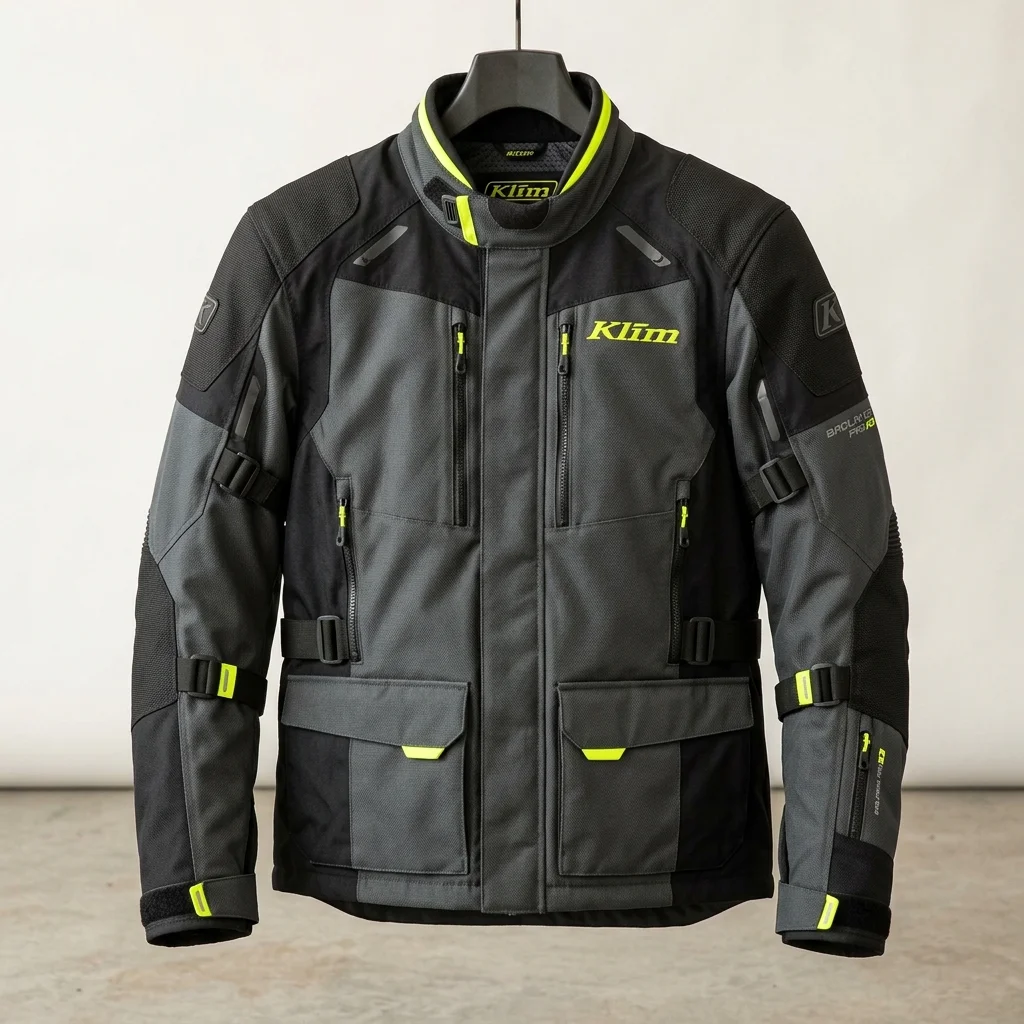
Klim Badlands Pro A3 — When You Need The Best
$1,599.99.
That number is the conversation, and there’s no version of this conversation where it isn’t.
What you get for it: the only AAA-rated textile ADV jacket in the world. Gore-Tex 3-Layer Pro shell — fully waterproof, breathable, no separate liner to manage. Vectran fiber woven into Cordura, which gave the A3 a 17% improvement in abrasion resistance while reducing weight by 10% compared to the previous version. Vectran is the same fiber used in the airbag landing system on the Mars Rover and in high-end bowstrings. It’s an absurd choice of material for motorcycle gear and it works.
Armor is D3O Aero Pro CE Level 2 at the shoulders and elbows, D3O Viper Pro CE Level 2 back pad included (no upgrade purchase needed). Chest armor is XRD perforated foam — upgradeable to D3O CE Level 1 if you want, sold separately. Sixteen vents and pockets. The matching pants are $969.99.
Who shouldn’t buy this: anyone who rides 1–2 weeks of long-distance ADV per year. The Badlands Pro A3 is built for people who do this all the time, in the worst conditions they can find, and want to be wearing the same jacket five years from now. If that’s not you, the next tier down is a better use of your money.
Who should buy this: full-time adventure riders, anyone doing extended remote travel in mixed weather, and riders who value the lifetime quality argument over upfront cost. The Badlands Pro A3 doesn’t depreciate the way mid-tier gear does. You’ll still want it in seven years.
Rev’It Sand 5 H2O — The Sweet Spot
Jacket: $549.99. Pants: $419.99. This is where I’d spend my money today.
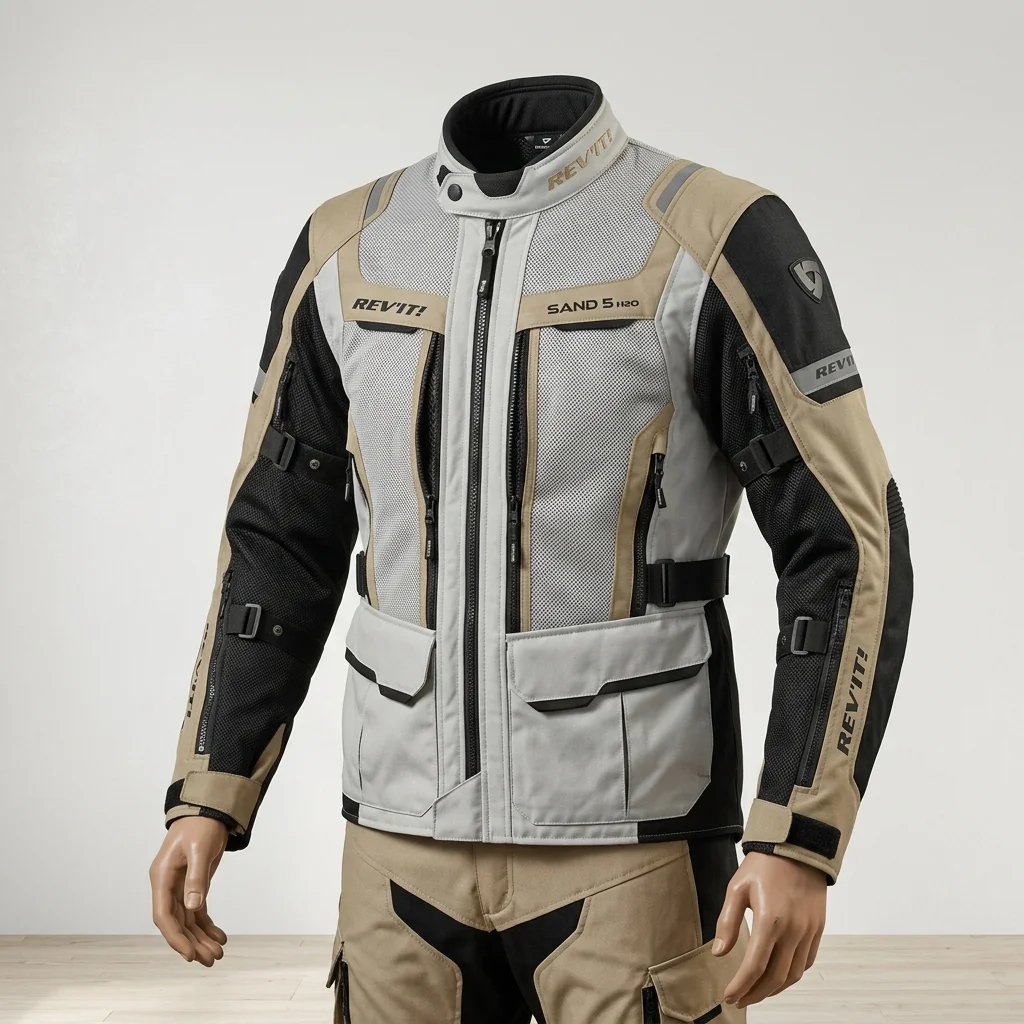
The Sand series has been around for 15 years. The fifth generation (2025 update) keeps everything that made the Sand 4 a category benchmark and improves the ventilation system with new 3D mesh panels and underarm zippers that snap open with a button instead of a fiddly slider. That last detail sounds small. After 400 km of stopping every 90 minutes to vent your jacket, it isn’t.
Construction: 600D ripstop polyester with 600HD polyester reinforcement, PWR mesh panels, and 3D air mesh. CE AA rated. SEEFLEX CE Level 2 armor at shoulder and elbow comes in the box. Chest and back armor pockets are there but the protectors are sold separately — budget another $40-80 if you want them, and you should.
The waterproofing system is two separate removable liners: Hydratex|3L for water, plus a thermal liner. Both come out independently. This is the right way to do it. Other manufacturers laminate the membrane into the shell, which means you’re carrying the same waterproofing in 35°C heat that you wear in a rainstorm. Rev’It lets you strip it down for hot conditions and put it back for cold ones.
Rider Magazine put it best: “It felt like it was tailored for me. After just a couple hours in the saddle, the whole suit felt broken in.” That’s the right description. The Sand 5 doesn’t need a 1,000-km break-in period.
One note that will save you a return shipment: the pants run a size small. Order one size up. I don’t know why Rev’It hasn’t fixed this in five generations, but they haven’t.
Alpinestars Andes V4 Air Drystar — Hot Weather First
Around $330 for the jacket, $270 for the pants.

If you’re riding the Aegean, the Mediterranean, North Africa, or anywhere where heat is the primary problem and rain is occasional, this is the jacket. CE AA rated. Nucleon Flex Plus CE Level 2 armor at shoulder and elbow included. Tech-Air compatible — you can run an airbag system underneath. The Drystar waterproof membrane is removable, so you can run it as a fully ventilated mesh jacket when the forecast is clear.
The thing reviewers keep mentioning is the 4-way stretch panels. Bikenrider’s 2026 test called it the most ergonomically comfortable jacket in their group. I’d phrase it differently: depending on what kind of riding day you’re having — upright cruising, leaned-forward attack, standing on the pegs — the jacket moves with you without bunching or pulling. That sounds like a small thing until you’ve worn a stiffer jacket for nine hours.
What you’re giving up versus the Sand 5: a small amount of long-term durability, slightly less sophisticated waterproofing system, and the Rev’It fit refinement. What you’re gaining: better hot-weather performance and Tech-Air compatibility at a price that’s hundreds less.
Pants
If you bought the jacket, pants are simple: match the system, match the budget tier.
- Klim Badlands Pro A3 Pants — $969.99. The matching half of the premium tier.
- Rev’It Sand 5 H2O Pants — $419.99. CE AA, SEEFLEX Level 2 knee armor, SEESMART Level 1 hip armor, vent panels at front thigh and calf, magnetic fasteners on the closure system, Hydratex liner. Remember: size up.
- Alpinestars Andes V4 Drystar Pants — ~$270. Hot-weather oriented match for the Andes jacket.
The table at the bottom of this article shows all three side-by-side. The short version: don’t mix tiers. A premium jacket over budget pants always looks (and protects) worse than a matched mid-tier set.
Boots
ADV boots have to do four things, and most boots only do three.
- Ankle protection during a low-speed tip-over (the most common ADV injury).
- Twist resistance — a stiff sole that won’t fold under your foot if your leg gets caught.
- Waterproofing that actually holds up after a year of use, not just out of the box.
- Walkability — because you’re going to walk in these to the gas station, around the campsite, and through the hotel lobby.
Three boots that get all four right at different price points:
Forma Adventure — around $250 to $280. Full oiled leather upper, Drytex waterproof membrane, TPU molded protection at the shins and ankles. 4.6 out of 5 on RevZilla, which is one of the highest sustained ratings in the category. The Forma Adventure has been the budget benchmark for the better part of a decade because Forma got the construction right early and hasn’t messed with it.

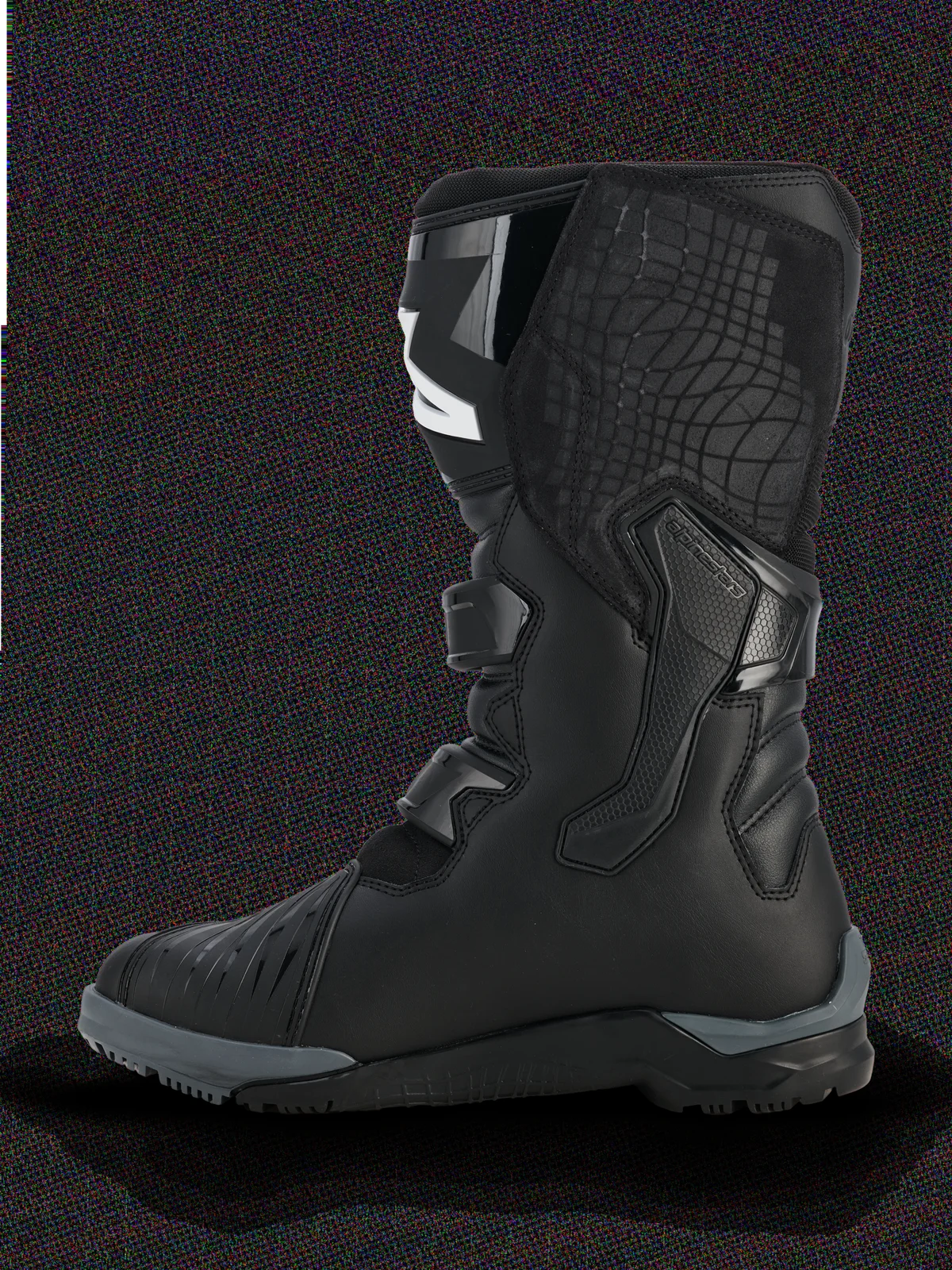
Alpinestars Corozal — around $340. CE Level 2 certified, waterproof, and GearJunkie’s top ADV boot pick for 2026. Slightly more rigid than the Forma, slightly more protective, more comfortable for long days off the bike. This is the boot I’d buy if I were choosing one pair to do everything from technical off-road to walking around a town for an hour.
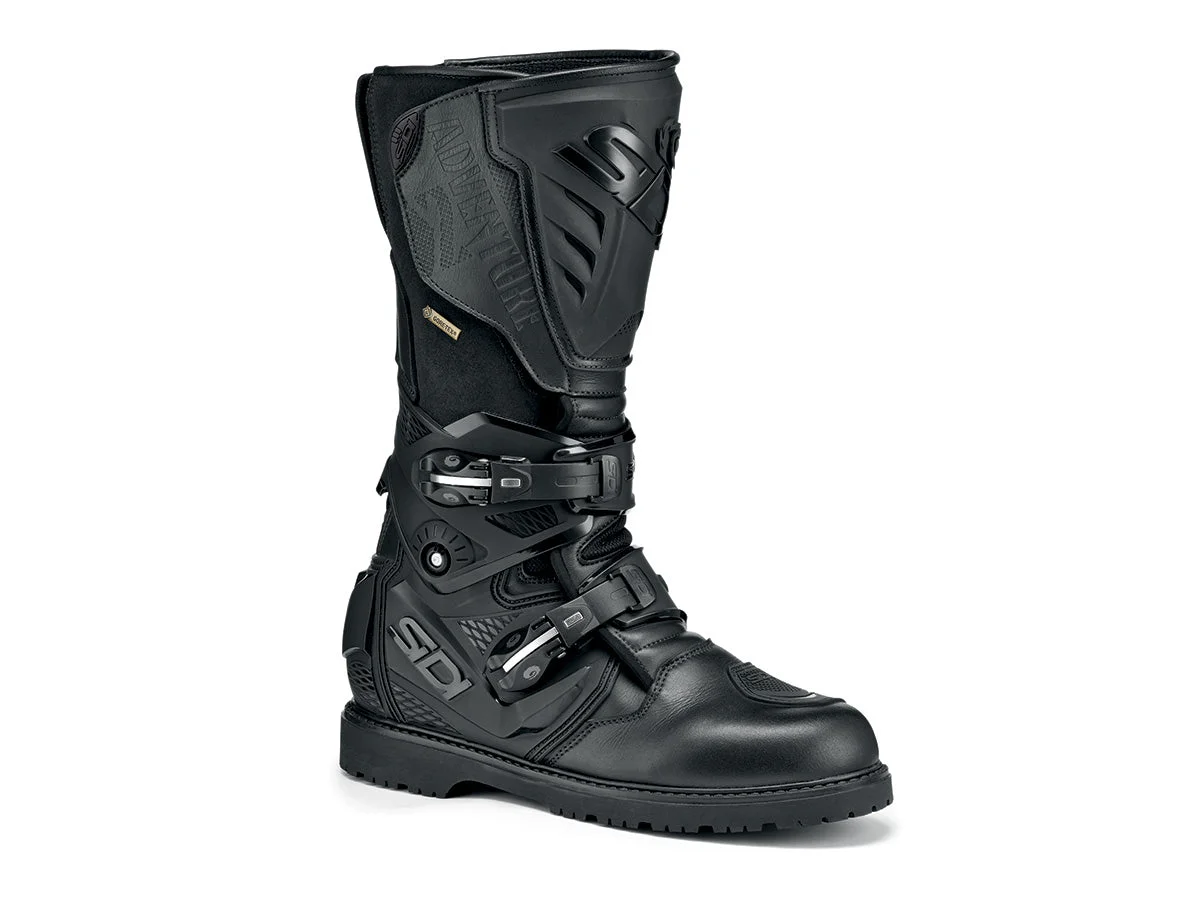
Sidi Adventure 2 Gore-Tex — $399.99. Premium build quality, the kind of boot that lasts a decade with regular use. 4.5 out of 5 on Amazon. Italian construction, Gore-Tex lining instead of proprietary membrane. If you’ve owned Sidi before, you already know whether you want them again. They fit narrower than Alpinestars and Forma — try before you buy, or be ready to return.
Honorable mention: TCX Drifter at ~$370. Waterproof, GearJunkie top pick, slightly more touring-oriented than the others. Worth looking at if Alpinestars don’t fit your foot shape.
Helmet
Fit comes before everything else.
If you have an oval head and you buy a round-fit helmet, the most expensive helmet on this list will hurt within an hour and give you a headache by hour three. A $200 helmet that fits your head shape is safer than a $700 helmet that doesn’t, because you’ll actually wear it for a full day without compromising attention.
Walk into a shop and try on every shape: oval, intermediate oval, round. Note which ones sit even on your head. Then come back to this list.
-
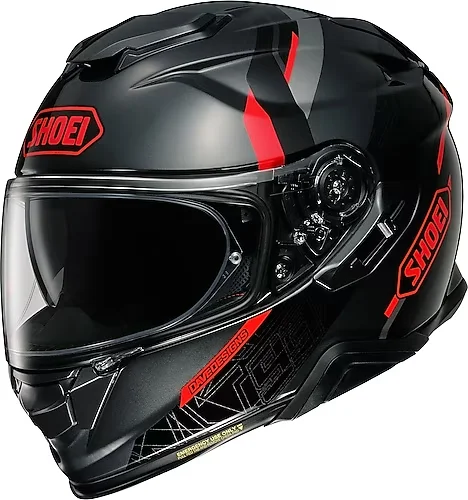
Shoei GT-Air II — ~$550. Modular full-face with integrated drop-down sun visor. Sena communication system compatible. Comfortable for long touring days. Intermediate oval fit.
-
Arai XD-5 — ~$700. The ventilation benchmark in adventure helmets. Off-road peak (removable). Premium build quality. Intermediate oval to round.

-
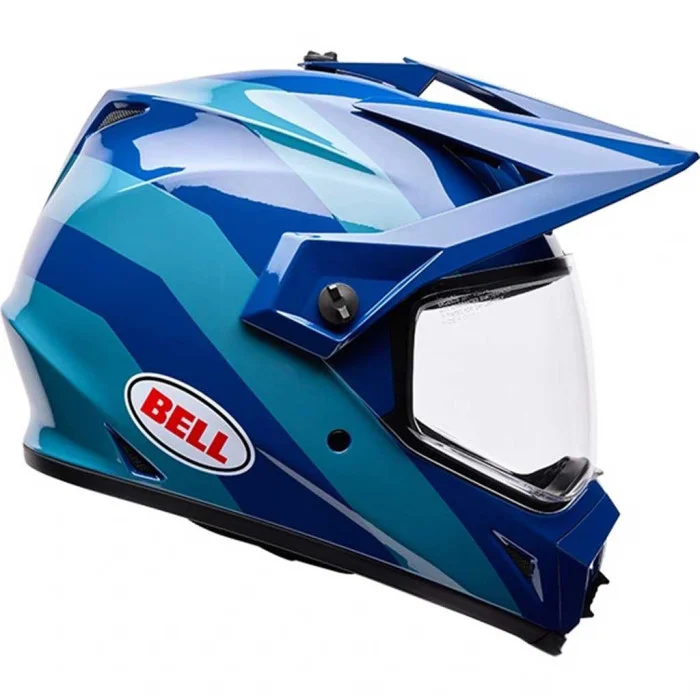
Bell MX-9 Adventure MIPS — ~$230. Best value in the category by a wide margin. MIPS rotational impact protection. Heavier than premium options but the protection-per-dollar ratio is exceptional.
-
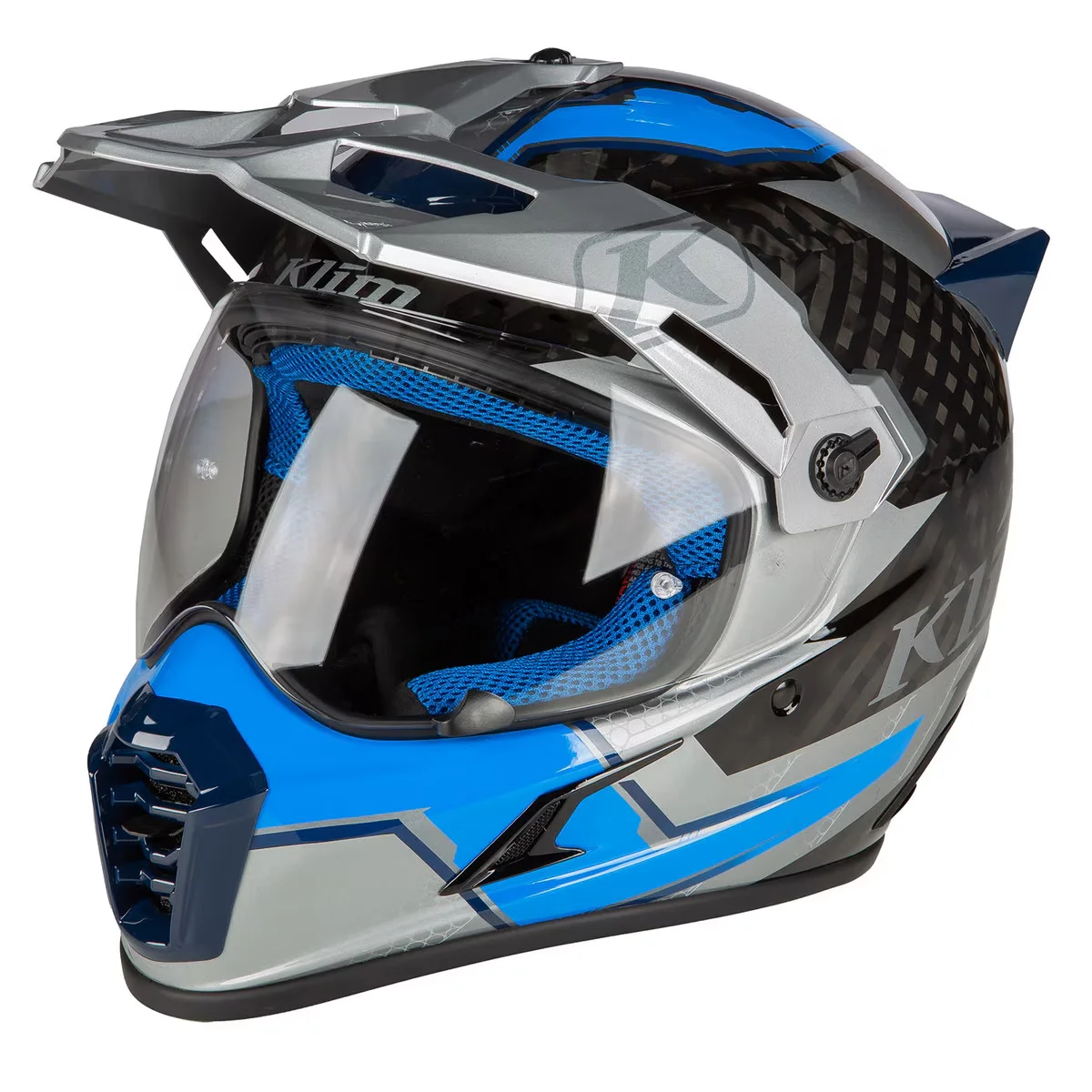
Klim Krios Pro — ~$750. Carbon fiber shell, ultra-lightweight, full ADV configuration with peak and clear shield. The lightest helmet in the category that doesn’t compromise on protection.
-
LS2 Advant X — ~$380. Budget modular with surprisingly good build. The “I want a Shoei but I just spent $1,600 on a jacket” answer.

Gloves
Choose by season first, then by feature set.
Klim Dakar Pro — ~$75. Hot-weather benchmark. Mesh frame, perforated leather palm, Poron XRD foam at the knuckles, CE Level 1. A Motorcyclist editor wrote that he’s been on the same pair for a year, every single ride. That’s the right endorsement for this glove. It’s not the most protective option in the lineup, but for warm-weather ADV — which is most riders, most of the time — it’s the one that gets worn.
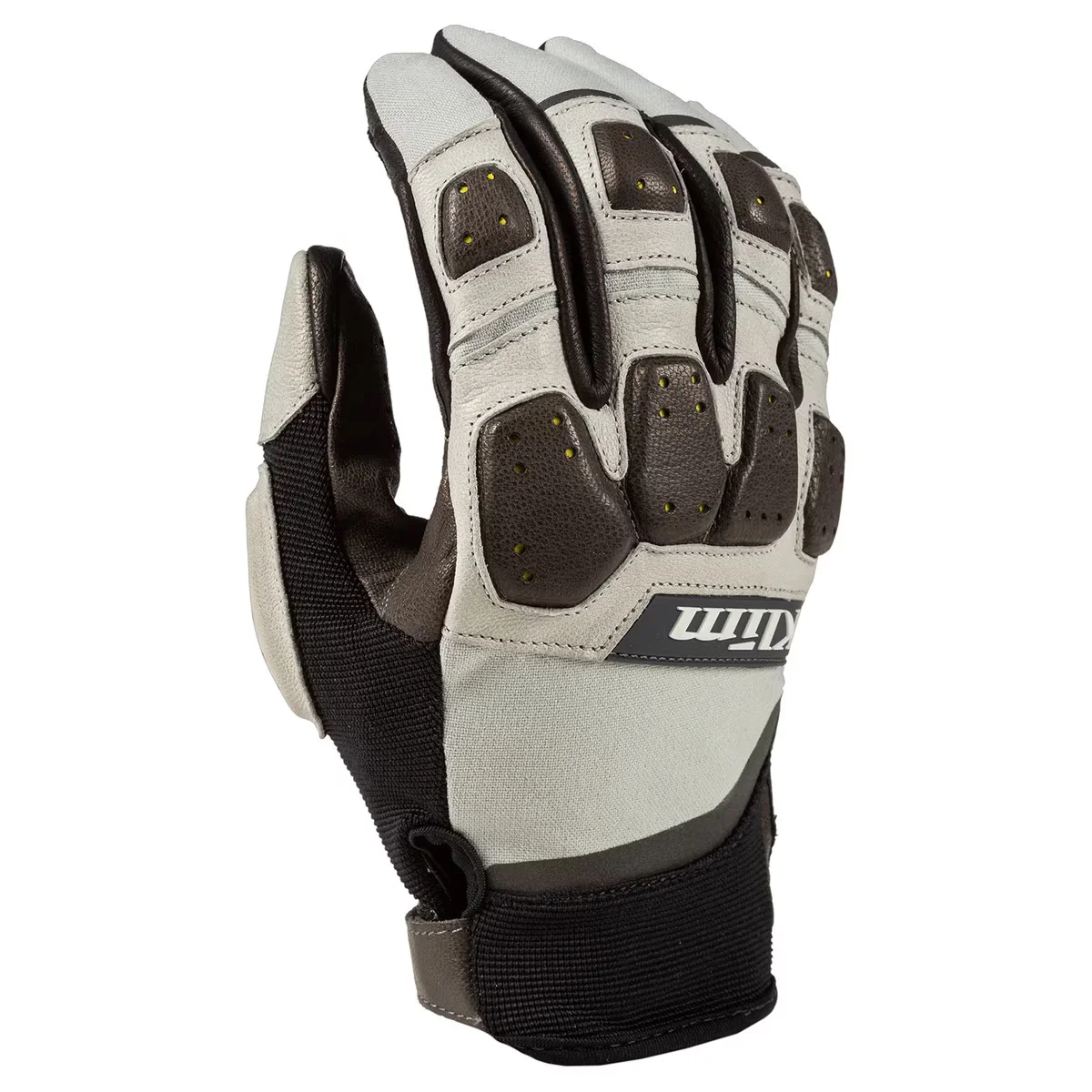
Klim Badlands Pro Gloves — ~$259. The all-weather investment. Gore-Tex lining, CE Level 2 knuckle armor, goatskin leather palm. Bikenrider’s 2026 review called them “the most versatile gloves we tested.” If you’re doing four-season riding in mixed conditions and you don’t want to own three pairs of gloves, this is the single-glove answer.
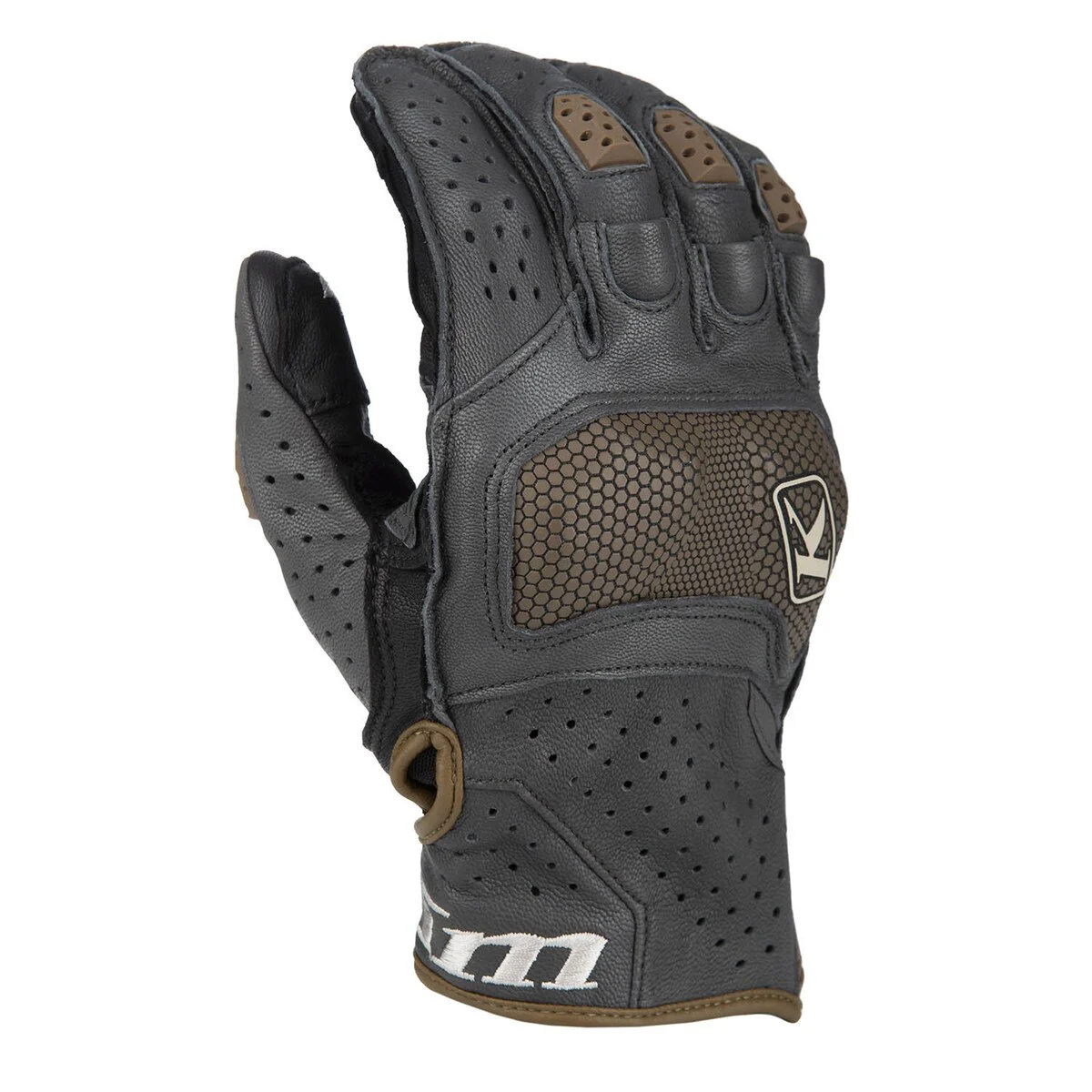
Alpinestars SP-8 V3 — $70 to $90. MotoGP-derived design. Goat leather construction, dual density knuckle protection, touchscreen-compatible fingertips. Bikenrider called it the “do-it-all glove for 2026.” For the price, the protection level is unusual.

Alpinestars Bogota Drystar XF — ~$150. Waterproof touring glove, GearJunkie top pick for wet conditions. Solid choice if you ride in rain regularly and don’t need the all-out armor of the Badlands Pro.
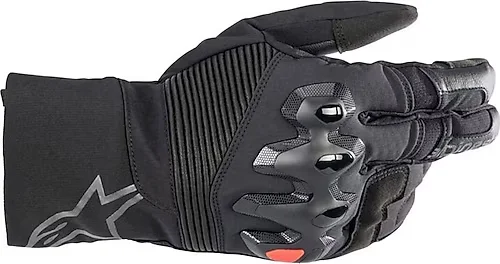
Winter / heated option: Klim Baja S4 GTX at ~$200 if you ride through cold mountain passes. Or layered glove liners under the Badlands Pro — that’s what I do.
Base Layer and the Small Things Nobody Talks About
Merino wool base layer. Icebreaker 200 Oasis is the benchmark. It regulates temperature better than synthetics in cold weather, doesn’t smell after three days of wearing it (real, not marketing), and layers cleanly under any jacket. For hot-weather riding, switch to a moisture-wicking polyester base layer — synthetic outperforms wool when the priority is moving sweat away from skin fast.
Anti-fatigue insoles. Nobody talks about this. After 400 km in the saddle, the difference between a stock boot insole and a properly cushioned aftermarket insole is the difference between walking normally that evening and limping to dinner. Superfeet or similar — $40 to $50. Best money you’ll spend on gear this year.
Neck gaiter or balaclava. Cold mountain passes will find every gap in your collar. A merino neck gaiter weighs nothing and packs into a fist. Always in the tank bag.
Full Kit Cost Breakdown
| Item | Budget | Mid-Range | Premium |
|---|---|---|---|
| Jacket | Alpinestars Andes V4 ~$330 | Rev’It Sand 5 H2O ~$550 | Klim Badlands Pro A3 ~$1,600 |
| Pants | Alpinestars Andes V4 ~$270 | Rev’It Sand 5 H2O ~$420 | Klim Badlands Pro A3 ~$970 |
| Boots | Forma Adventure ~$260 | Alpinestars Corozal ~$340 | Sidi Adventure 2 ~$400 |
| Helmet | Bell MX-9 MIPS ~$230 | Shoei GT-Air II ~$550 | Arai XD-5 ~$700 |
| Gloves | Klim Dakar Pro ~$75 | Alpinestars SP-8 V3 ~$90 | Klim Badlands Pro ~$259 |
| Total | ~$1,165 | ~$1,950 | ~$3,929 |
The mid-range column is what most riders should buy. The premium column is what people who ride 20,000+ km per year buy and don’t regret. The budget column is what gets you safely on the road for a first long trip without compromising on the things that actually matter.
What to Skip
Leather jackets in hot climates. I see riders in full leather in 35°C heat every summer in Türkiye. Leather doesn’t breathe. You will overheat, and overheating impairs judgment more than alcohol does. For ADV touring in warm weather, textile with mesh panels — not leather.
High-heeled or fashion boots. A 1.5” stacked heel on a touring boot will turn into a knee problem after 600 km. The boot needs a flat or near-flat sole.
The plastic rain shell from a hypermarket. This is how I started, and it didn’t work. If you need waterproof protection and your jacket isn’t waterproof, buy a proper motorcycle rain shell — Klim, Rev’It, or Alpinestars all make them for $80-150. The plastic shell from the tourist shop turns into a sail at 90 km/h and tears at the first sleeve seam.
Mismatched armor levels. A CE Level 2 jacket with CE Level 1 pants leaves your hips and knees underprotected — and those are the parts that hit the ground first in most ADV tip-overs. Match the levels.
FAQ
What CE rating do I need for motorcycle gear?
For long ADV trips, CE AA is the practical minimum across jacket and pants. AAA is overkill for most riders but justified if you’re doing high mileage on motorways or remote routes where help is far away. Always check armor levels separately from shell rating — CE Level 2 armor at impact points (shoulder, elbow, knee, back) is what you want regardless of which shell tier you choose.
Can I use ski gloves for motorcycling?
No. Ski gloves don’t have impact protection at the knuckles or palm sliders for abrasion resistance. They’ll keep your hands warm and then leave your fingers exposed in a slide. Buy proper motorcycle gloves — even the budget options on this list have the right protection.
Do I need a one-piece or two-piece suit for ADV?
Two-piece. One-piece suits are for track use. Two-piece lets you remove the jacket at coffee stops, layer differently as conditions change through the day, and pack lighter when you need to. For ADV touring, a matched two-piece is always the right answer.
What’s the best budget ADV jacket for men in 2026?
The Alpinestars Andes V4 Air Drystar at around $330. CE AA, Level 2 armor included, removable waterproof membrane, Tech-Air compatible, and the best hot-weather ergonomics in the budget range. If your riding is mostly warm-weather, it punches well above its price.
Final Thoughts
The gear you wear on a long motorcycle trip isn’t a costume. It’s the difference between an incident becoming a story and an incident becoming a hospital visit.
Spend where it matters: jacket, pants, boots. The helmet matters too, but fit beats brand on that one. Don’t overspend on gloves before you’ve nailed the rest of the kit. Match your armor levels across pieces. Buy for the trip you’re actually doing this year, not the round-the-world trip you might do in five.
That Lidl rain shell taught me one thing: there’s no real shortcut for the right gear, but you don’t need premium to ride safely. You need correct.
More from Bikes & Bays:
- Motorcycle outfit for women on a long ADV trip — the companion guide
- Best adventure motorcycle boots of 2026 — full boot deep-dive
- Klim Badlands Pro jacket long-term review — what 15,000 km looks like
This post contains affiliate links. If you buy through these links, Bikes & Bays earns a small commission at no extra cost to you. It doesn’t change what I recommend — I only link to gear I’d actually buy.
Frequently Asked Questions
What CE rating do I need for motorcycle gear?
For long ADV trips, CE AA is the practical minimum across jacket and pants. AAA is overkill for most riders but justified for high mileage on motorways or remote routes. Check armor levels separately from shell rating — CE Level 2 armor at impact points is what you want regardless of shell tier.
Can I use ski gloves for motorcycling?
No. Ski gloves don't have impact protection at the knuckles or palm sliders for abrasion resistance. They'll keep your hands warm and leave your fingers exposed in a slide. Buy proper motorcycle gloves — even budget options have the right protection.
Do I need a one-piece or two-piece suit for ADV?
Two-piece. One-piece suits are for track use. Two-piece lets you remove the jacket at stops, layer differently as conditions change, and pack lighter. For ADV touring, a matched two-piece is always the right answer.
What's the best budget ADV jacket for men in 2026?
The Alpinestars Andes V4 Air Drystar at around $330. CE AA, Level 2 armor included, removable waterproof membrane, Tech-Air compatible, and the best hot-weather ergonomics in the budget range.